











Published on 12 February, 2021. Updated and Reviewed by Cordelia Woodward (MyNutriWeb) in November 2025.
Introduction
In this blog, we outline key dietary habits, traditional beliefs, and cultural factors that can affect nutritional intake in Chinese communities, helping you tailor nutritional support for Chinese patients more effectively.
Understanding dietary patterns and beliefs within the UK Chinese community is essential for providing culturally appropriate nutrition care and improving engagement with dietary advice.
According to the most recent census data (2021/2022), approximately 500,000 people identify as Chinese across the United Kingdom, making up around 0.75% of the total population.1,2,3 There are 56 ethnic groups in China, with major ethnic groups including Zhuang, Uyghur, Hui, Manchu (to name a few!). Most Chinese people living in the UK originate from Hong Kong and Mainland China, with a smaller percentage from Malaysia, Vietnam, Singapore and Taiwan.4
The prevalence of malnutrition amongst the UK Chinese population is largely unknown. However, 8% of this population are aged ≥60 yrs,1,2,3 and it is well documented that the risk of malnutrition increases with age.5
Background to Chinese Diets
Chinese diets are extremely diverse and are dependent upon the ethnic group and regional origin. Broadly speaking, the Chinese diet is based on staple carbohydrates such as rice and noodles. Table 1 summarises differences in cuisine according to regions within China.
Table 1: Cuisine Differences according to Region (China)
| Area |
Cuisine |
|
Northern region (includes Beijing and Mongolia) |
Specialises in wheat. Meats such as lamb and beef are dominant. Green vegetables are sparse. Popular items: lamb dumplings, beef noodle soup, pancakes and buns. |
|
Eastern region (includes Shanghai) |
Known for its sweetness. Popular foods include fish, rice, freshwater crustaceans. Popular dishes are sweet and sour deep-fried fish and pork ribs coated with soy sauce and sugar, soup dumplings, and fried rice. |
|
Western region (Chongqing) |
Known for spicy foods, home to the Sichuan peppercorn. Fresh green leafy vegetables are abundant due to the subtropical climate. Popular dish: Sichuan twice-cooked pork, hot pot, rice vermicelli and internal organs. |
|
Southern region (including Hong Kong and Macao) |
Home to Cantonese cuisine, dim sum, and sweet soup desserts. |
Popular breakfast items include porridge, congee (rice porridge) cooked with minced meat or fish, dumplings, or steamed buns with soy milk. Lunch and dinner may consist of steamed/fried rice or noodles, steamed fish, sliced meat stir-fry with vegetables, and homemade soup. Soup is a mainstay of the Chinese diet and is considered a therapeutic food.
Chinese rarely eat raw vegetables. Fruits, typically oranges, are eaten after meals. Snacks may include seasonal fruits, nuts, milk/soy milk or typical western snacks such as crisps and biscuits. Homemade soup desserts (such as red/mixed bean, bean curd egg drop, sweet potato and ginger, and snow fungus papaya soup) are an important part of Chinese cuisine.
Food and Religious Celebrations
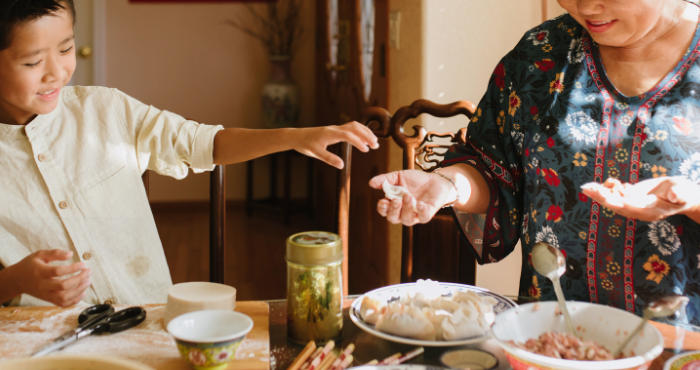
Chinese New Year (CNY) and Winter Solstice are important times of family celebration for Chinese. On CNY eve, dishes that bring good luck are eaten. These dishes are significant because of the sound of their names. For example, the word for fish (usually steamed) implies “having more than just a basic need each year”. Braised dried oysters with black moss are served because “dried oyster” implies “good thing” and “black moss” implies “get rich”. Soup, steamed scallops and abalones (marine snails), fried prawn, soy sauce chicken and braised vegetables with red fermented beancurd are popular dishes. Rice cakes, turnip cakes and pistachios (“happy nuts”) are eaten throughout CNY. Glutinous rice dumplings wrapped with red bean fillings will be eaten during festivals too.
Chinese Buddhists may abstain from eating meat on the first and 15th day of the Chinese Lunar calendar. They may also avoid “pungent” foods like onions, spring onions, chives and garlic.6
Nutrition Support Challenges with the UK Chinese Population
Deeply instilled traditional food beliefs and Traditional Chinese Medicine (TCM) may conflict with Western dietary advice.7,8,9
Common Chinese traditional beliefs around food and health include:
- Avoid food such as beef, duck, shellfish and eggs after surgery (as they contain toxins/delay healing).
- Soy sauce will cause scarring.
- Fried, spicy, strong-flavoured, barbecued, burnt foods are believed to be harmful.
- Avoid cold foods during illness.
- Raw, frozen or tinned fruits/vegetables are unhealthy.
- Consuming potatoes and bread regularly may be damaging to health.
According to TCM, food has a role in removing toxins and replenishing lost elements, thereby balancing and strengthening the body.10 Often, patients will remove otherwise nourishing foods and reduce their oral intake in order to heal. Malnutrition is prevalent amongst Chinese cancer patients due to food avoidance.10 Additionally, the perceived unsuitability of ‘Western’ foods can be a barrier to hospital admission.
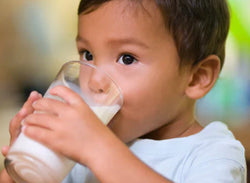
It is worth noting that the prevalence of lactose intolerance is high in the Chinese population.11,12This may preclude the use of foods commonly used in food fortification (i.e. milk).
Food-Based Dietary Guidelines for the Chinese Population
Alongside these cultural and regional considerations, it’s also useful to recognise the Chinese Food-Based Dietary Guidelines, most recently revised in 2022.
The guidelines outline eight principles for a balanced diet:
- Enjoy a varied and well-balanced diet.
- Stay active to maintain a healthy weight.
- Include plenty of vegetables, fruits, dairy, whole grains and soybeans.
- Eat moderate amounts of fish, poultry, eggs and lean meats.
- Limit foods high in salt, sugar and cooking oil, and avoid alcohol.
- Follow healthy eating habits and drink enough water.
- Read nutrition labels and cook smart.
- Maintain food hygiene and reduce waste.
These national guidelines offer valuable context when providing nutrition support, highlighting the emphasis on balance, diversity and moderation that already underpins many traditional Chinese dietary patterns.13
Nutritional Support - Food First Ideas for Chinese Diets
Food First techniques include the encouragement of frequent meals, snacks and nourishing drinks, alongside food fortification. Fortifying food increases energy and/or protein by using everyday foods (such as butter, cheese, milk powder and sugar) to enrich meals and snacks.
High Energy Snacks
Sweet Options
- Steamed sweet potatoes
- Dessert soups (red/green/mixed bean, black sesame, beancurd egg drop, sweet potato and ginger, snow fungus papaya)
- Almond or peanut cookies
- Steamed milk/coconut milk with egg
- Egg tarts (Portuguese tarts)
- Stewed sweet pear with white fungus
Savoury Options
- Mixed nuts, seeds, roasted chestnuts
- Crackers with butter, cheese / peanut butter
- French toast
- Sandwiches (peanut butter + condensed milk, egg mayo, corned beef with egg, ham and cheese)
High Energy Drinks
- Soup (chicken/meat)
- Rice water
- Soy milk (fortified)
- Hot chocolate
- Smoothies
Food Fortification Tips
- Fortify milk with milk powder (if lactose intolerance is not an issue). Use in porridge, rice pudding, and milk-based drinks
- Spread toast with butter or condensed milk
- Add sesame seeds to rice
- Add sesame oil to vegetables/steamed fish
- Add chicken, beans, peanuts to soup
- Add cheese to baked pork dishes
- Add fish to congee or steamed egg whites at each meal
- Offer steamed fish topped with olive oil and/or recommend pork in place of beef
When advising a patient from the Chinese community, it is important to acknowledge that cuisines differ vastly, according to regional origins. Tailoring advice to individual cultural backgrounds is key.
Oral Nutritional Supplements (ONS)
For patients whose nutritional needs cannot be met through food-first strategies alone, ONS may be required. Within the UK Chinese community, the high prevalence of lactose intolerance means that careful product selection is important to support comfort, tolerance and adherence.
Healthcare professionals should review product composition to ensure suitability for individuals with allergies or intolerances. Some providers, for example AYMES, offer tables outlining the nutritional profile and allergen content of their ONS products, including information on lactose. Resources like these can support quick checks when identifying suitable options. Where lactose intolerance is present, lactose-free or low-lactose formulations may be more appropriate.14
Introducing ONS alongside familiar eating habits, such as with congee, soups or snacks, can also support acceptance and help maintain cultural food preferences.
Summary
Understanding the dietary habits, food beliefs, and cultural traditions of Chinese communities is essential for providing effective and respectful nutrition support. Recognising regional differences, preferences for familiar foods, and the influence of Traditional Chinese Medicine can help healthcare professionals tailor advice that feels relevant and acceptable. Taking time to explore individual food practices and adapting “food first” strategies accordingly can greatly improve engagement, nutritional intake and overall wellbeing.
Download our quick guide "Nutrition Support for Chinese Diets" below: